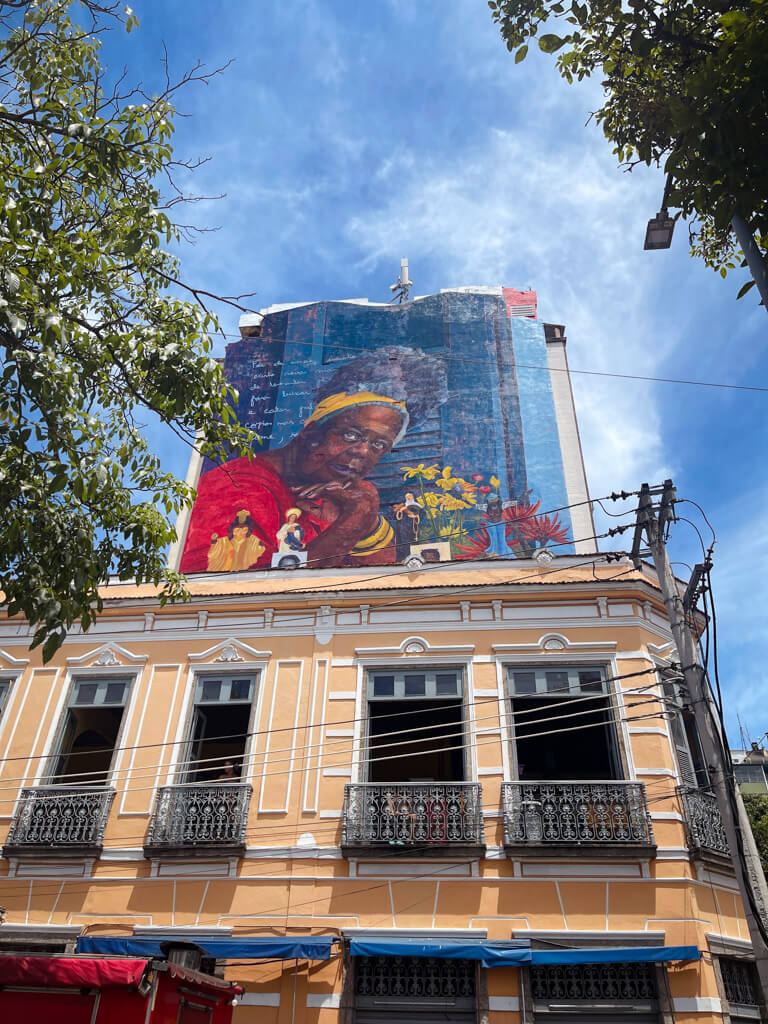
Together with its beautiful nature and rich history, Rio de Janeiro stands out for its unique cultural identity which draws strong influences from the Afro-Brazilian culture and communities.
To understand how different chapters in history over the centuries played a role and how different African influences contributed towards shaping this cultural identity of Rio, we highly recommend Little Africa, a culturally immersive tour.
🌟 Little Africa is a unique and enriching tour experience, and according to us, the best cultural tour in Rio de Janeiro.
In this post, we are going to guide you with everything you need to know about doing the Little Africa Tour, and why we think, one should choose this tour over another popular cultural tour in Rio.
As Amazon Associate we earn from qualifying purchases. Thanks for supporting Paradise Catchers.
Do not have time to read this now? Here’s what you can do now:
Why Choose Little Africa Tour in Rio?
For your Rio de Janeiro itinerary, you would want to check out the major attractions like Christ the Redeemer, Sugarloaf Mountain, Copacabana Beach and Maracana Stadium, and have cultural experiences like attending the Carnival, eating traditional foods, and watching a soccer match at the stadium.
🇧🇷 However, if you want to delve deeper into Rio de Janeiro’s layers of cultural character, we recommend the Little Africa Tour.
🌆 This tour provides a comprehensive understanding of Rio, offering both depth and context beyond the city’s typical attractions.
Here are some aspects of the Little Africa Tour that, we think, would make travelers want to sign up for it:
💡 Cultural Education: The tour serves as an enlightening educational journey into Afro-Brazilian history, highlighting both contributions and challenges faced by the communities, showcasing their indomitable spirit and cultural richness.
🧫 Cultural Appreciation: The tour gives a deeper understanding of Rio’s multicultural fabric, sparking greater appreciation among visitors for the city’s Afro-Brazilian heritage and influences.
💭 Reflection and Learning: The tour offers an opportunity for reflection and learning, honoring the narratives that helped shape Rio’s cultural identity.
Little Africa Tour: Plan Your Day
We went on this exact Little Africa Tour. So, to help you plan , let us dive into the details, from how to book to what to expect, and other tips on what you can do in the area after the tour ends.
How to Book
🎟️ You can book the Little Africa Tour here →
⏰ To accommodate for change in travel plans, it allows free cancellation for up to 24 hours before the tour.
Check the availability calendar below and book your Little Africa tour.
Tour Start Time and Duration
🕰️ Little Africa Tour start time is 9:00 am and the scheduled duration is 2.5 hours.
However, because of the conversation heavy nature of the tour, it often lasts longer, extending for more than 3 hours.
Tour Location
The Little Africa Tour takes place in and around the port area, a historic region of Rio known of its rich African heritage.
In the 2010s, this part of the city underwent significant transformation, from a once neglected and abandoned area to now an important tourist hub with important attractions such as the Museum of Tomorrow and the Rio Art Museum.
📍 For our tour, the meeting point was in front of the Rio Art Museum.
Address: Praça Mauá, 5 – Saúde, Rio de Janeiro – RJ, 20081-240, Brazil.
📱 After booking the tour, check your email details to confirm the time and location.
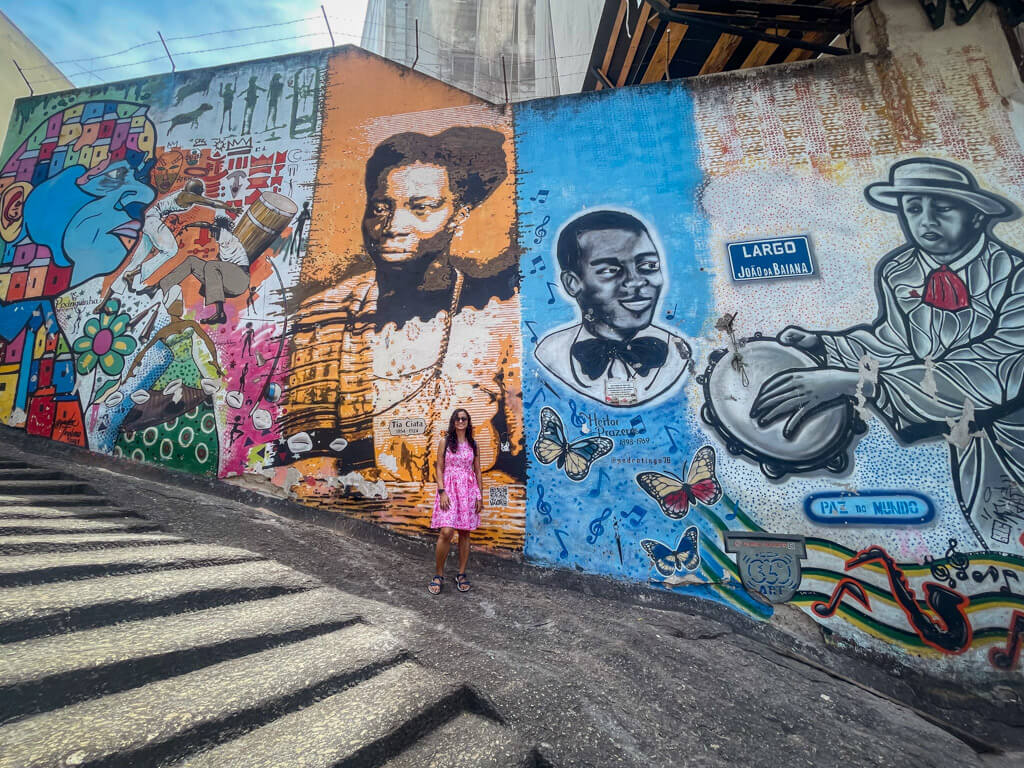
The tour started in front of the museum, and then, while absorbing the narratives from our guide, we made our way to other key locations in the area, like Pedra do Sal, Largo de São Francisco da Prainha and Cais do Valongo.
All of these spots hold immense historical significance, dating back to the 16th century when Rio was a major hub for the Atlantic slave trade.
Getting There
This part of the city is located a bit far away from the areas we recommend for staying in Rio, yet it is easy to get to.
Here are a couple of options how you can get to the Little Africa tour starting point:
🚗 Option 1 – by Uber: Book Uber and put Rio Museum of Art as the destination.
🚦 Account for peak morning traffic hours and leave at least an hour in advance.
🚇 Option 2 – by Metro (subway): Take the Metro till Uruguaiana station. From here, it will take about 15 minutes to walk to the Rio Art Museum.
📱 Do not flash your phone during the walk. Put it inside an anti-theft money belt and wear that underneath your clothes.
What to Expect from the Little Africa Tour
When going for a tour, it is important to set expectations right. Note that, this is NOT a regular sightseeing tour.
On our Little Africa Tour, Eddie was our guide. To give you an idea of what to expect from this tour, let me share some observations from our experience:
📚 The Little Africa Tour is a mix of walking, storytelling, historical interpretation and conversations.
🗣️ I like that the tour was not just a one-sided dialogue. Instead, our guide encouraged us to ask questions, even difficult ones, and participate in thought-provoking discussions.
During the tour, we learnt from our guide Eddie, about the history of African slave trade during the Portuguese rule in Brazil, the stories of resilience of the Afro-Brazilian communities and their lasting impact on Rio’s art, music and cuisine, that went on to define Brazil’s cultural identity as we know it now.
These were some of my favorite parts of our Little Africa Tour:
🥁 Sitting on the steps of the iconic Pedra do Sal, the birthplace of Samba in Rio, and listening to the story behind Pelo Telefone, the first recorded samba music.
🩰 Standing next to the statue of Mercedes Baptista, and hearing about her inspiring journey, from being the first black woman to dance at Rio’s Municipal Theater to becoming a celebrated choreographer who broke barriers and redefined dance forms.
✍🏽 Hanging out next to a home library in a narrow alley, and learning about the literary realism works of Joaquim Maria Machado de Assis, considered Brazil’s greatest writer ever.
Tips for After the Tour
Based on what we did after our Little Africa tour, and other experiences of visiting the area on our own on different occasions, here are our ideas of things you can do after your Little Africa Tour:
Afro-Brazilian Cuisine for Lunch
After the tour, have lunch at one of the restaurants around Largo de São Francisco da Prainha and try dishes from Afro-Brazilian culinary heritage.
Based on the recommendation of our guide, we went to Dois de Fevereiro restaurant and chose an outdoor table.
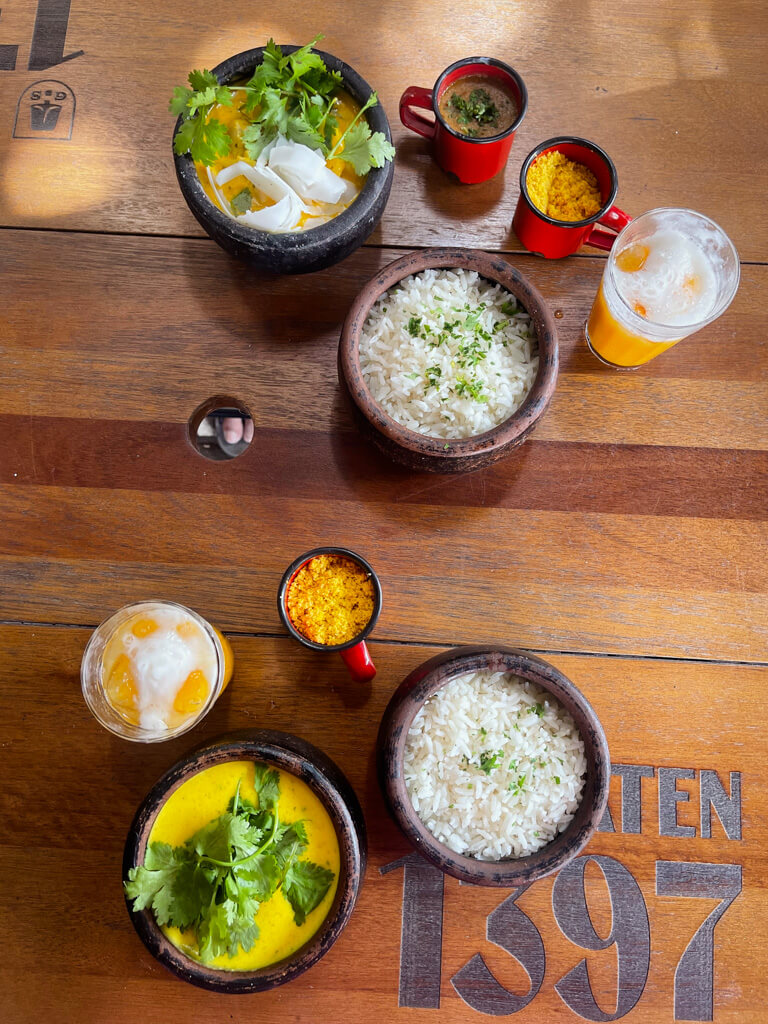
We absolutely liked the drink we ordered – Mamata, a house special cocktail made of cachaça, passionfruit and ginger.
For our food order, Indranil got a Moqueca de Peixe and I got a Bobó de Camarão. Both the dishes were perfect in portion size, tasted flavorful and looked nice too!
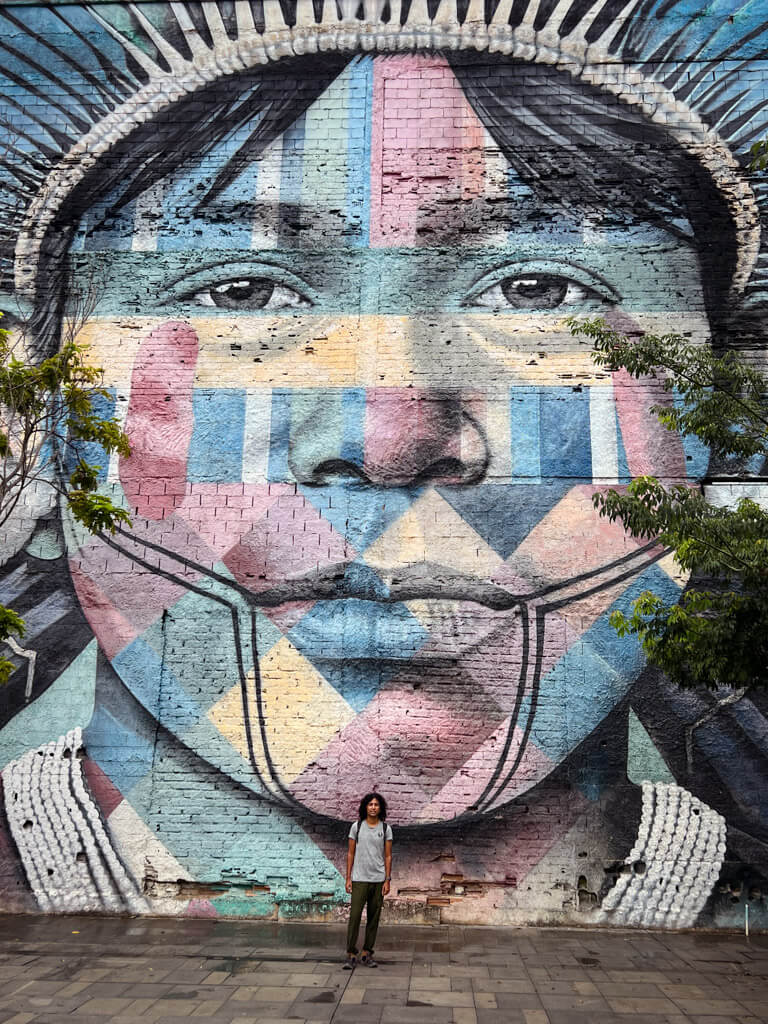
World’s Largest Mural
After lunch, walk for about 10 minutes from Largo de São Francisco da Prainha to arrive at Mural das Etnias, a wall graffiti.
Covering almost 3000 square meters, this piece of work holds the record of being the largest graffiti in the world.
Famous Brazilian muralist Eduardo Kobra conceptualized and created this mural.
Through faces representative of indigenous communities from different continents, Mural das Etnias celebrates humanity and its diversity.
I think, gazing at this giant piece of art is a perfect way to contemplate after the Little Africa Tour.
Museum
Walk for another 10-15 minutes to get to you next stop of exploration.
Spend the afternoon visiting couple of museums:
- Museum of Tomorrow – Open Thursday to Tuesday, from10:00 am to 6:00 pm. Closed on Wednesdays.
- Rio Art Museum – Open Thursday to Tuesday, from 11:00 am to 6:00 pm. Closed on Wednesdays.
Samba Nights
If you happen to go for the Little Africa Tour on Monday, Friday or Saturday, you may want to hang out in the area till later in the evening when you head back to Pedra do Sal.
These three days of the week, Pedra do Sal comes alive with live samba music and groups of samba loving people throng the place to enjoy the street party vibes.
🍹 If you are not comfortable with the idea of navigating big crowds at night in a city like Rio, you can book this tour to experience Samba Night at Pedra do Sal with a guide.
Whether you go by yourself or with a guide, read our tips on how to stay safe while traveling in Rio.
Little Africa Tour vs. Favela Tour: Our Thoughts
When seeking a peek into Rio de Janeiro’s diverse cultural landscape through the lens of a local expert guide, the most popular tour is a Favela Walking Tour.
Favelas are informal settlements on the slopes of the mountains of Rio de Janeiro. The living conditions here are not optimal but the favelas constitute an important slice of Rio’s cultural identity.
As the name suggests, on a Favela Walking Tour, you walk with a guide through the alleys of a Favela, see for yourself how life is like in such living conditions, and learn about social dynamics and challenge stereotypes.
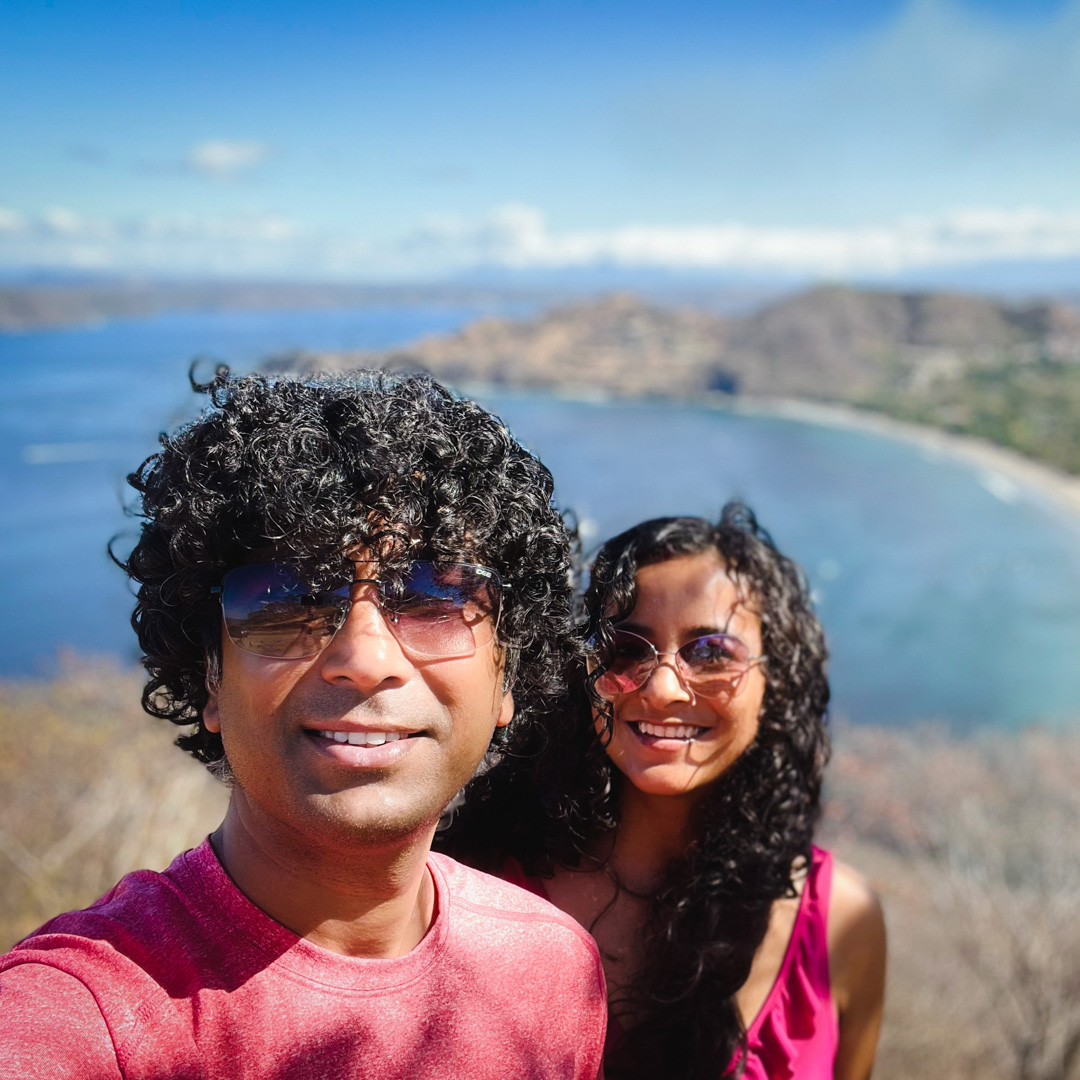
Personally, we, Pubali and Indranil, do not subscribe to the idea of such tours.
Based on our research, most resident dwellers of favelas also do not encourage such Favela Walking Tours.
Our Little Africa tour guide Eddie was born and raised in a favela, and even after “making it” in life and career, he and his family choose to continue living in the favela. Apart from this Little Africa tour, Eddie also guides on favela tours.
So, at the end of our Little Africa Tour, we spoke at length with Eddie, trying to understand the nuances of doing vs. not doing a Favela Walking Tour.
Our interpretation from the conversation is that, it really depends on the tour guide if the favela Walking Tour is presented as true cultural insights, or just a stir and shake of some gimmicks selling the suboptimal living and safety conditions in the favelas.
We decided against doing a Favela Walking Tour.
✔️ On the other hand, on the Little Africa Tour, you get to learn about Rio’s constantly changing socio-political landscape for centuries, and how those led to the rise of different pillars on which Rio stands today, including its Favelas.
So, on the Little Africa Tour, you still get an understanding of favelas, and how they integrate with the broader social and cultural context of Rio.
✅ For a cultural tour in Rio de Janeiro, we recommend the Little Africa Tour, and NOT a Favela Tour.
Plan Your Rio de Janeiro Trip
➡️ Rio de Janeiro 5-Day Itinerary
➡️ Safety Tips for Rio de Janeiro
➡️ Best Areas to Stay in Rio de Janeiro
➡️ eSIM vs. Local SIM in Rio de Janeiro
➡️ How to Visit Christ the Redeemer – one of the 7 Wonders of the World
➡️ Practical Tips for Visiting the Sugarloaf Mountain
➡️ Is it worth taking the Maracana Stadium Tour?
Travel Resources
- Flights: Skyscanner
- Hotels: Booking.com | Expedia
- Tours: Viator | GetYourGuide
- Travel Insurance:
- Heymondo (get 5% off)
- SafetyWing Nomad Insurance
- eSIMs:
- Transfers: Bookaway. Code PARADISE5 for 5% off
If you enjoy reading our free travel guides, tips and stories, you can buy us a coffee and help us create more such travel planning tools for you. Thanks for supporting Paradise Catchers.
Disclosure: Please note that this post may contain affiliate links. If you make a purchase or a booking through these links, we may earn a commission at no extra cost to you. Thank you.